

Opeth. The name alone conjures visions of candlelit cathedrals and decaying forests, where ghosts whisper in odd time signatures, and every whisper turns into a guttural roar. Sweden’s masters of progressive death metal never did things the easy way. They carved a path between death metal’s savagery and progressive rock’s labyrinthine explorations, wrapping brutality in haunting acoustics and jazz-inflected interludes. Mikael Åkerfeldt, the mad scientist at the helm, is equal parts poet and executioner, crooning like a gothic specter one moment and summoning demons the next. But which albums stand at the peak of this mountain of melancholic majesty? Let’s count them down.
3. Ghost Reveries (2005)
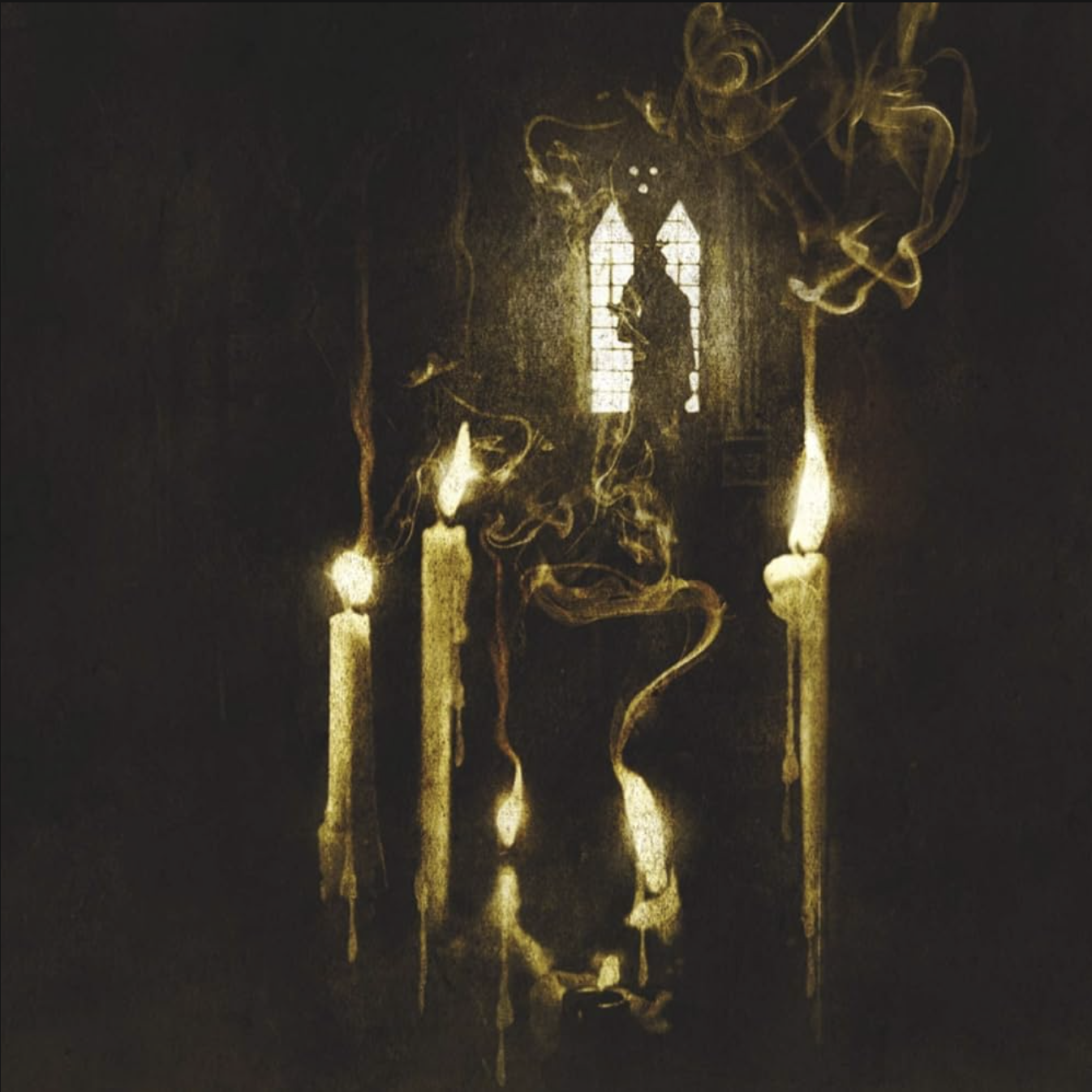
If Opeth is a cathedral, Ghost Reveries is the grand, crumbling stained-glass window—gorgeous, but ominously cracked. This was the first album to feature keyboardist Per Wiberg, whose ghostly Mellotron and sinister organ work slithered into Opeth’s sound like ivy through a forgotten ruin. Songs like “Ghost of Perdition” and “The Grand Conjuration” are labyrinthine nightmares, weaving clean passages into moments of crushing, bone-snapping doom. The album is haunted—by demons, regret, and ghosts of Opeth’s past and future. It’s the sound of a band at the height of their powers, standing on the edge of a chasm and peering into the abyss.
2. Still Life (1987)
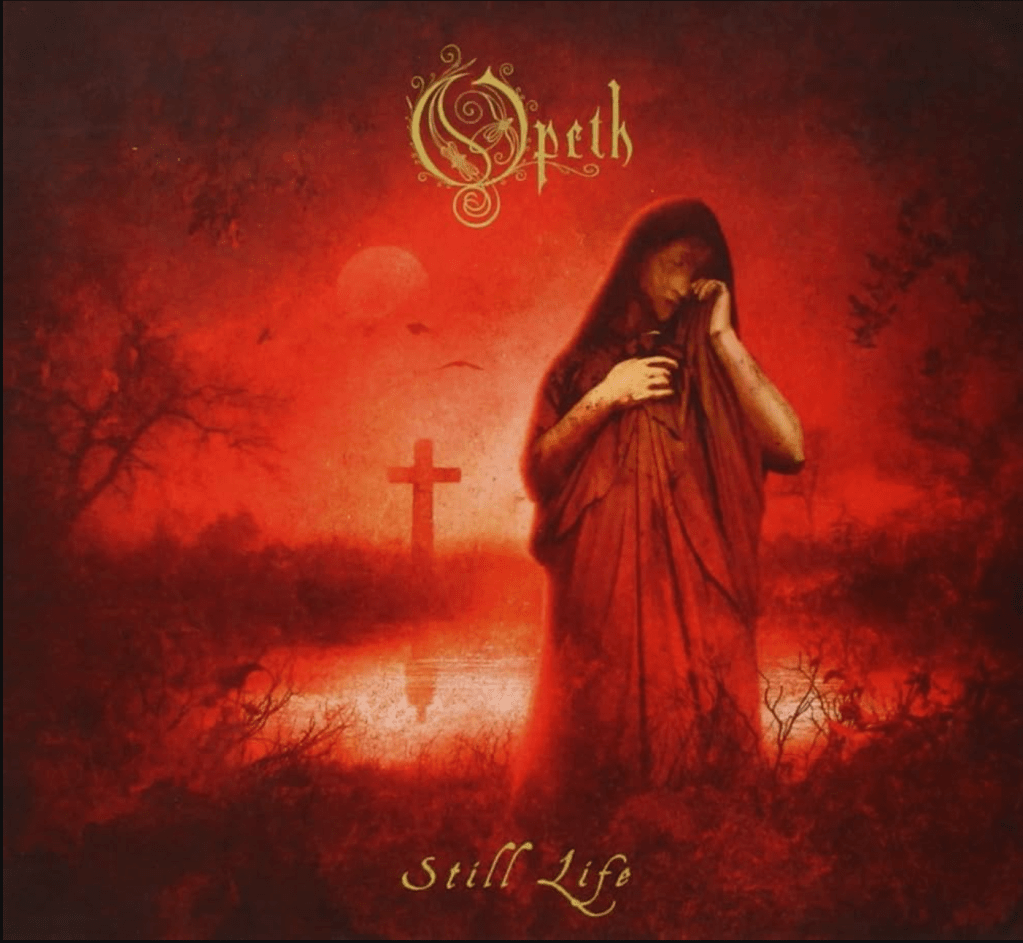
This is the album where Opeth truly became Opeth. Before Still Life, they were a ferocious but unfocused beast. Here, they found their soul—dark, mournful, and steeped in gothic tragedy. A concept album about an exiled man returning to his homeland only to be destroyed by love and religious zealots, Still Life is a swirling vortex of pain and beauty. “The Moor” is a masterclass in tension and release, and “Godhead’s Lament” might be one of the greatest metal songs ever written—melancholic, majestic, and absolutely devastating. Åkerfeldt’s vocals are at their peak, flipping from agonized howls to angelic whispers in the space of a heartbeat. This is Opeth in full cinematic glory, painting landscapes of sorrow in sound.
1. Blackwater Park (2001)
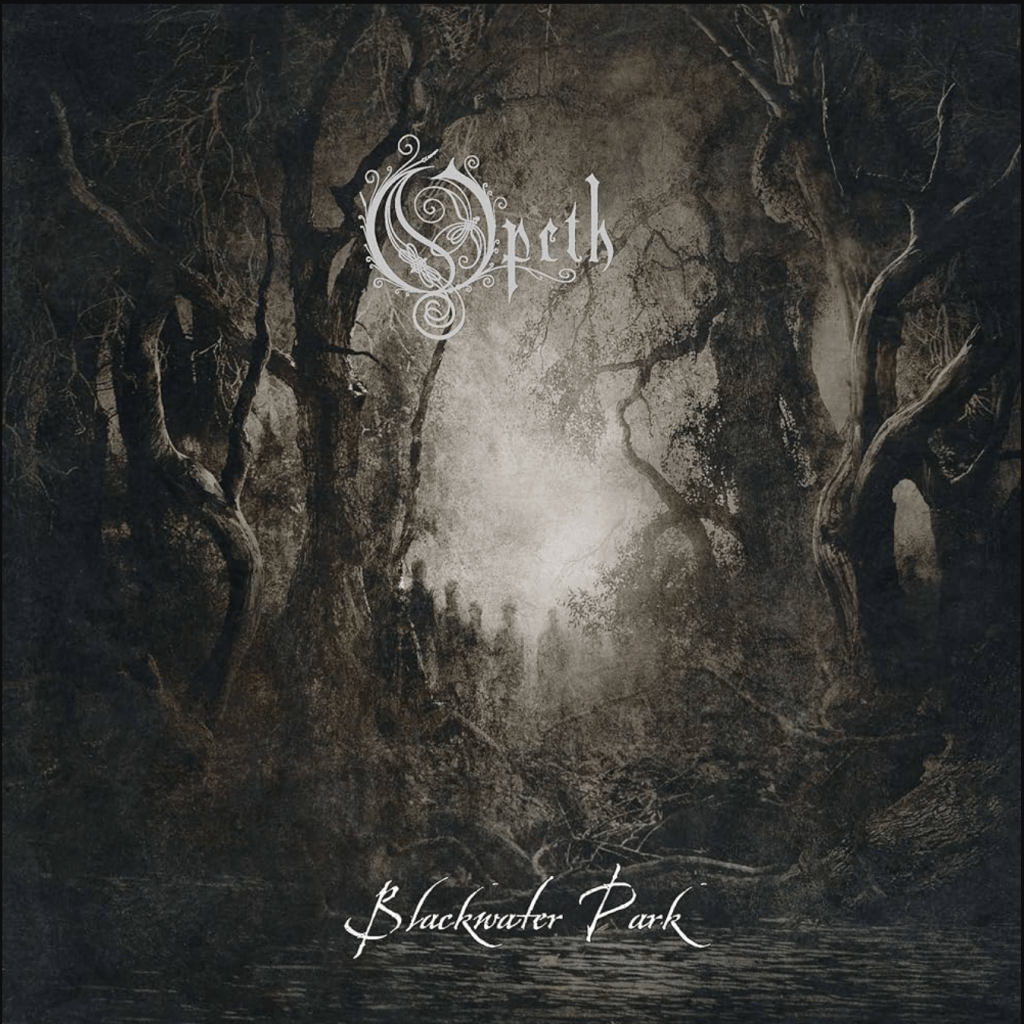
Here it is. The crown jewel. The album that shattered the underground and dragged Opeth into the reluctant embrace of mainstream metal fans. Produced by Steven Wilson, Blackwater Park is the perfect storm—every song a masterpiece, every riff a dagger, every clean passage a lullaby sung by ghosts. “The Drapery Falls” is an ethereal descent into despair, “Bleak” is as menacing as its name suggests, and the title track is a monolithic beast that drags you into its suffocating grip and never lets go. This is Opeth at their most refined yet most savage, a band that could bend progressive rock and death metal to their will with an effortless sweep of the hand.
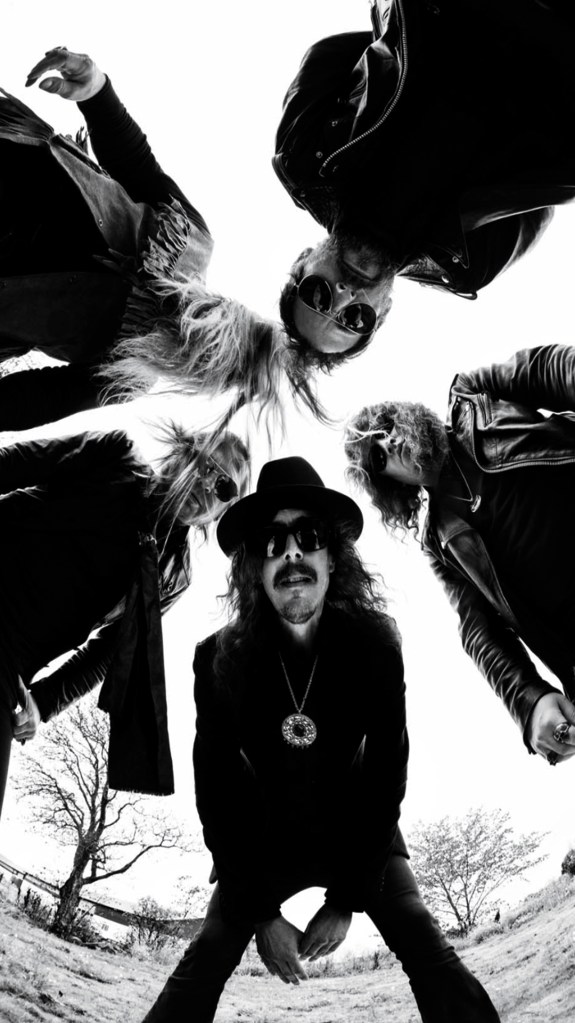
Opeth isn’t just a band; they’re an experience. Their music is the soundtrack to rain-soaked nights and existential crises, to moments of euphoria and deep, brooding introspection. These three albums represent the peak of their alchemy—melding death metal’s savagery with progressive rock’s ambition, creating something both timeless and otherworldly. If you haven’t listened to them, do it now. Not later. Not tomorrow. Now. Opeth doesn’t just make music; they carve open the soul and let the darkness flow in.
 QuickSpins
Leave a comment