
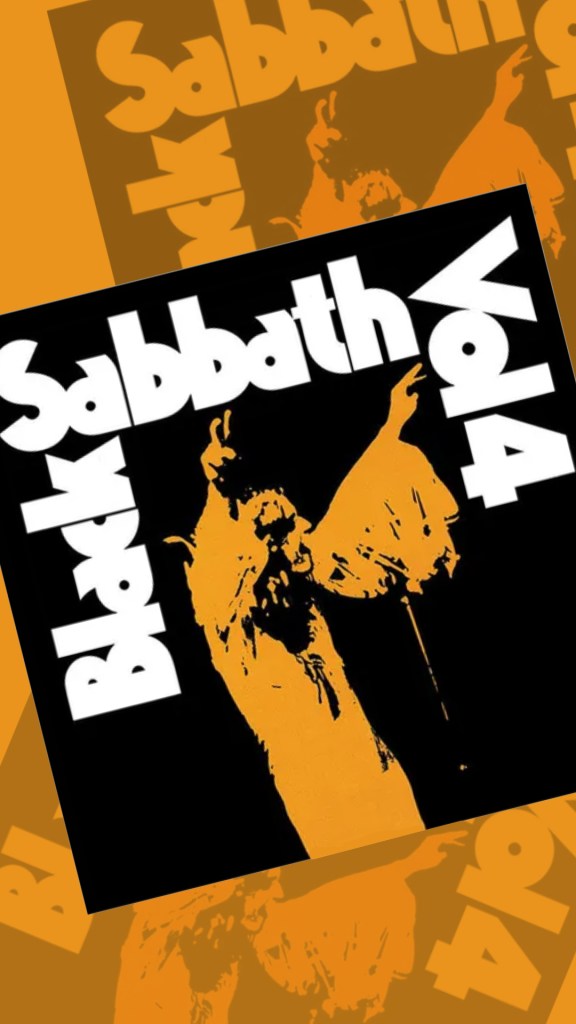
Amidst the rock revolution of the early 1970s, Black Sabbath, often regarded as the pioneers of heavy metal, unleashed their fourth studio album, “Volume 4,” in September 1972. The period leading up to the album’s creation was marked by both artistic exploration and personal challenges for the band. Recorded in Los Angeles, the album emerged during a time when rock music was undergoing dynamic transformations, and Black Sabbath, too, was evolving. The recording sessions were infamous for their excesses, with tales of hedonism and substance use intertwining with the creative process. This tumultuous backdrop, both musically and personally, shaped “Volume 4” into a sonic journey that not only reflected the band’s changing dynamics but also mirrored the broader shifts within the landscape of rock and metal music. The result was an album that not only solidified Black Sabbath’s position as heavy metal icons but also became a defining chapter in the annals of rock history. As we explore “Volume 4,” we embark on a historical voyage, unraveling the stories that wove into the very fabric of this classic album.
Band Members and Their Sonic Alchemy: Black Sabbath’s “Volume 4”
Black Sabbath’s formidable lineup during the creation of “Volume 4” was a collective force that shaped the album’s groundbreaking sound. At the helm was the iconic Ozzy Osbourne (Vocals), whose haunting and powerful vocals lent a unique dimension to each track. The mastermind behind the thunderous guitar riffs and intricate melodies was none other than the legendary Tony Iommi (Guitar), whose pioneering guitar work redefined the boundaries of heavy metal. Providing the backbone to the band’s sonic onslaught was Geezer Butler (Bass), with his pulsating basslines adding depth and intensity. Completing the ensemble was the powerhouse Bill Ward (Drums), whose dynamic and percussive prowess contributed to the album’s thunderous rhythm. Together, these four maestros embarked on a musical odyssey with “Volume 4,” each leaving an indelible mark on the heavy metal genre. As we dissect the album’s tracks, it becomes clear that the synergy of these extraordinary talents is what makes “Volume 4” a timeless masterpiece.
Unveiling the Sonic Odyssey: Track-by-Track Analysis of Black Sabbath’s “Volume 4”
1. “Wheels of Confusion”
The album kicks off with the expansive “Wheels of Confusion,” a labyrinthine journey through shifting tempos and intricate guitar patterns. Ozzy’s vocals navigate the complexities of existence, setting the tone for the album’s introspective and adventurous spirit.
2. “Tomorrow’s Dream”
“Tomorrow’s Dream” unfolds with a driving rhythm and Tony Iommi’s signature guitar riffs. The lyrics explore themes of uncertainty and anticipation, creating a dynamic and energetic atmosphere.
3. “Changes”
Diverging from the heavy sound, “Changes” is a haunting ballad showcasing the band’s versatility. Ozzy’s introspective lyrics, coupled with haunting piano melodies, create a poignant moment of emotional depth.
4. “FX”
“FX” serves as a brief interlude, an experimental sonic exploration that adds an atmospheric layer to the album. It’s a moment of respite before diving back into the heavy terrain.
5. “Supernaut”
“Supernaut” storms in with a thunderous riff, solidifying itself as a quintessential Black Sabbath anthem. Tony Iommi’s guitar work and Bill Ward’s drumming combine in a powerful synergy, making it a standout track in the heavy metal canon.
6. “Snowblind”
“Snowblind” delves into the struggles with substance abuse, with lyrics that resonate with the band’s experiences. The heavy, sludgy riffs create a dark and immersive atmosphere, making it one of the album’s defining tracks.
7. “Cornucopia”
“Cornucopia” intensifies the album’s heaviness with a barrage of distorted guitars and dynamic drumming. The lyrics explore themes of societal disillusionment, adding a layer of social commentary to the sonic assault.
8. “Laguna Sunrise”
“Laguna Sunrise” provides a moment of serenity, a beautiful instrumental track that contrasts the album’s heavier moments. Its acoustic guitar melodies evoke a sense of calm before the storm.
9. “St. Vitus’ Dance”
“St. Vitus’ Dance” returns to a more upbeat tempo, showcasing the band’s ability to seamlessly transition between sonic landscapes. The infectious rhythm and dynamic instrumentation make it a lively addition to the album.
10. “Under the Sun”
Closing the album, “Under the Sun” unfolds with a sense of grandeur. The powerful riffing and Ozzy’s vocals culminate in an epic finale, leaving listeners with a lasting impression of the sonic journey that is “Volume 4.”
As we dissect each track, it becomes evident that “Volume 4” is a multi-faceted exploration, showcasing Black Sabbath’s mastery of heavy metal while delving into diverse musical territories. Each song contributes to the album’s enduring legacy, cementing it as a cornerstone in the evolution of heavy music.
Echoes of Power: The Enduring Impact of Black Sabbath’s “Volume 4”
Released in 1972, Black Sabbath’s “Volume 4” stands as a monumental testament to the band’s pioneering spirit and its profound influence on the landscape of heavy metal. This album not only solidified Black Sabbath’s status as genre architects but also ushered in a new era for metal, expanding its sonic boundaries. “Volume 4” is a dynamic journey that deftly navigates through intricate compositions, heavy riffage, and moments of introspection. Its impact on music and culture is immeasurable.
In terms of music, the album’s innovative guitar work by Tony Iommi became a blueprint for generations of metal guitarists. Tracks like “Supernaut” and “Snowblind” showcased a level of technical proficiency and sonic experimentation that set a high standard for heavy metal craftsmanship. Ozzy Osbourne’s distinctive vocals, coupled with Geezer Butler’s thunderous basslines and Bill Ward’s dynamic drumming, collectively forged a sound that resonated far beyond the realms of conventional rock.
Beyond the realm of music, “Volume 4” became a cultural touchstone, reflecting the zeitgeist of the early 1970s. Its themes of existentialism, societal unrest, and struggles with substance abuse mirrored the tumultuous times. The album’s iconic cover art, featuring a distorted figure in a distorted landscape, became an emblematic representation of the album’s enigmatic nature.
As “Volume 4” reverberated through the years, its influence extended well beyond the metal genre. Artists across various genres drew inspiration from its heavy, brooding sound, contributing to the album’s enduring legacy. Its impact on the counter-culture movement of the 1970s and subsequent generations of metal enthusiasts established “Volume 4” as a cornerstone in the evolution of rock and metal.
In conclusion, Black Sabbath’s “Volume 4” is not merely an album; it’s a sonic monument that continues to shape the musical landscape. Its reverberations are felt in the heavy guitar riffs of countless bands, the introspective lyrics of aspiring poets, and the cultural lexicon of a generation that sought refuge in the power of music. As we revisit “Volume 4,” we pay homage to a masterpiece that transcends time, leaving an indelible mark on the annals of music history.
 QuickSpins
Leave a comment